
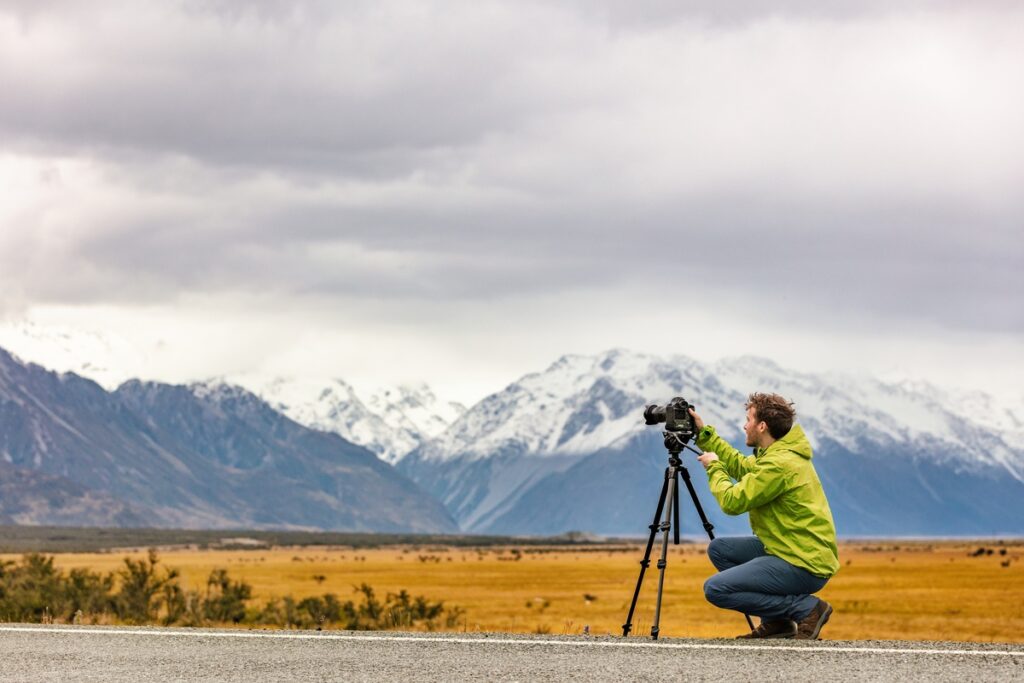
Few things can be as challenging as taking a perfect shot in freezing temperatures. Cold-weather photography is an art that requires striking a balance between your own physical condition and understanding what kind of camera settings favor the weather.
In This Article:
Why Cold-Weather Photography Is Awesome
Winter can feel harsh, but visually, it’s one of the most rewarding seasons. Snowy scenes offer a unique color palette and beautiful diffused light. As a photographer, you gain the opportunity to work with environments that most people choose to avoid. Taking advantage of the contrast provided by the season can add a truly spectacular element to your professional portfolio.
Are There Lighting Advantages in Winter?
The answer is yes! The winter sun sits lower in the sky, providing longer periods of golden-hour-like light. This makes it easier for photographers to create atmospheric shots without needing to wake up so early in the morning.
Beginners’ Cold Weather Gear List
To have a good time while shooting in freezing temperatures, you need the right gear. That might include some details that you may not have even thought about before. Let’s start with the basics.
Camera Bodies and Lenses
Most modern DSLRs and mirrorless cameras can handle moderate cold, but extreme temperatures require extra attention.
- Weather-sealed cameras: Weather-sealed bodies resist moisture and snow, reducing the risk of internal fogging. Even if your camera isn’t fully weatherproof, you can still protect it with a rain or snow cover.
- Lenses with wide apertures: Wide-aperture lenses perform better in low-light winter conditions; think about all the white snow surrounding the scene. A prime lens, such as a 35mm or 50mm f/1.8, works great for snowy landscapes.
Tripods and Stability Gear
One real bummer about cold weather is slippery surfaces and everything that comes as a result of frozen soil. Consider getting these:
- Carbon-fiber tripods: They’re lighter and conduct less cold than aluminum.
- Spiked tripod feet: Important for gripping snow and ice.
- Weight bag: Gives extra stability on windy days.
Batteries
Battery life can significantly drop in low temperatures. There are a few things worse than traveling to a place to get a shot and not being able to make the most out of the day due to a lack of power. To avoid running out of power mid-shoot:
- Keep spare batteries in an inner pocket close to your body heat.
- Rotate batteries frequently so they stay warm.
- Turn off unnecessary functions, such as Wi-Fi or continuous autofocus.
Memory Cards
Invest in high-quality SD or CFexpress memory cards with good write speeds. Cheap storage is more likely to fail in harsh temperatures.
You Should Be Warm Too
You won’t likely capture good shots if you’re suffering from the cold. Staying warm is not only key to avoiding possible health risks, but also for guaranteeing comfort and freedom of movement.
Gloves Designed for Photographers
Regular gloves make it impossible to adjust camera settings. Don’t make a beginner mistake of taking any type of gloves with you. Use photographer-specific gloves with foldable fingertips. You can also combine a pair of thin liners with thicker mitts for flexibility.
Footwear for Snow and Ice
You’ll be standing still for long periods. To keep your feet warm, consider wearing insulated waterproof boots and don’t skip the thermal socks. Bring an extra pair just in case, and consider boot spikes if you’re working on icy terrain.
Tips for Harsh Conditions
Once you find your own safety and comfort balance, it’s time to focus on taking the ideal shot. Working in cold conditions basically means taking control of your manual camera settings to overcome new challenges.
Fixing Gray Snow
Use the +1 EV rule. Winter weather often deceives the camera’s light meter, and captured images often have gray or dull colors. When the capture frame is filled with bright snow, the camera tries to underexpose the image to make it darker.
To resolve it, manually dial between +1 and +2 stops of exposure, relative to what the meter suggests. It makes the scene brighter, turning muddy gray back to bright white.
Be Aware of Lens Fog and Condensation
Condensation happens when you move your gear between warm and cold environments. To prevent fog:
- Place your camera in an airtight zip-top plastic bag before going indoors.
- Let it warm up gradually inside the bag for 20 to 30 minutes.
- Avoid breathing directly onto your lens in cold air.
Practical Shooting Advice
Even with great gear and solid technique, you’ll need practical approaches tailored to snowy and icy environments.
Choose the Right Time of Day
Winter light changes rapidly, especially during sunrise and sunset. Arrive earlier than usual to prepare your gear and scout angles.
Keep Yourself Safe
Always let someone know your shooting location and expected return time. Additionally, remember that if your hands, feet, or face start feeling numb, take a break and warm up immediately.
If you’re stuck in a hotel waiting for a storm to pass, it could be a perfect time to upload your photos. If you’re transferring photos on a public Wi-Fi, be mindful of your data security. Reading a simple VPN guide for beginners will help you understand how to protect your uploads.
Final Thoughts
Getting the perfect winter shot might be challenging, but in the end, the results will make it worthwhile. Prioritize your gear and your own safety before getting your adventure started. Mastering cold-weather photography requires preparation and, above all, patience.