
Digital marketing is everywhere, but physical visuals still have a powerful place in branding. People notice signs, displays, banners, posters, window graphics, and event materials because they exist in real spaces. A strong printed display can stop someone in their tracks, communicate a message quickly, and reinforce brand identity. When print materials are designed and produced well, they can make a brand feel more memorable and professional.
In This Article:
Backlit Wide Format Paper Helps Displays Capture Attention
Retail and other businesses rely on backlit signage in many different spaces. Using backlit wide format paper is useful for brands that want printed visuals to stand out in illuminated environments. Backlit displays are often used for retail signage, trade shows, menus, event graphics, transit displays, and promotional photography. The light behind the image can make colors appear more vibrant and help the message remain visible in busy spaces. This makes the material an important choice when visibility and image quality both matter.
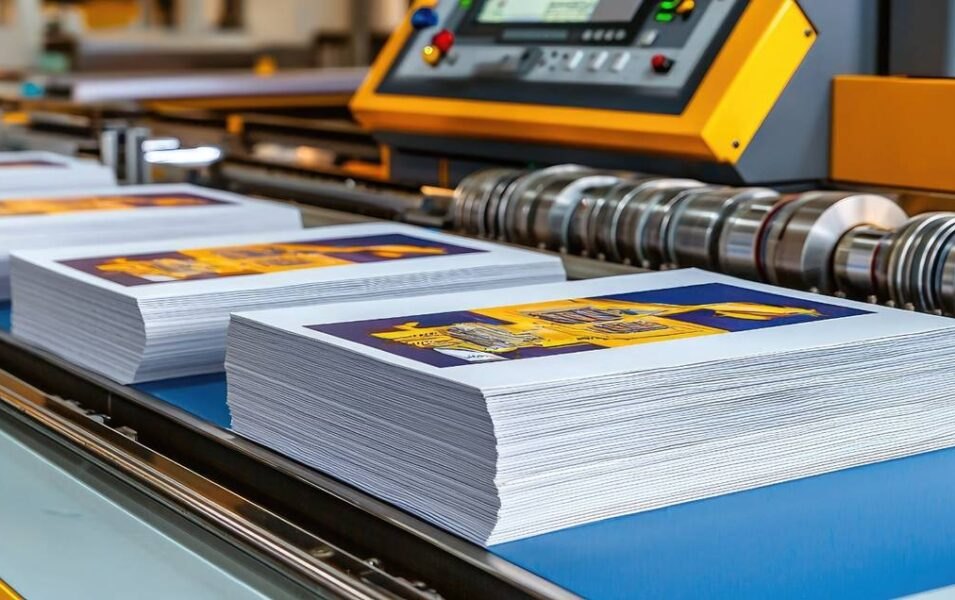
The success of a backlit display depends on more than design alone. The printing material must handle light evenly, support strong color reproduction, and work with the printer technology being used. If the wrong material is chosen, the display may look washed out, uneven, or less professional than intended. Choosing the right paper or media helps the final display match the quality of the brand behind it.
Print Creates a Physical Brand Experience
A digital ad disappears with a scroll, but a printed display occupies space. It can shape how customers experience a store, event booth, office, restaurant, or public area. Physical visuals help turn a location into a branded environment. They also give people something to see and remember outside of a screen.
This physical presence can be especially valuable in retail and events. A well-placed display can direct traffic, highlight a product, announce a promotion, or create a photo-worthy moment. Customers may not always read every word, but they quickly absorb colors, images, and overall quality. Strong print materials help make that impression count.
Photography Gives Visual Displays Their Emotional Impact
Photography plays a major role in how printed displays connect with people. A strong photograph can communicate mood, quality, lifestyle, and brand personality faster than text alone. Whether a business is showcasing food, fashion, travel, products, interiors, or professional services, the right image can help people immediately understand the feeling behind the brand. This is one reason photography remains so important in print marketing, even as digital content continues to grow.
High-quality photography also helps printed displays feel more polished and believable. A sharp, well-composed image can make a product look more desirable, a destination feel more inviting, or a service feel more trustworthy. Poor lighting, low resolution, or awkward composition can weaken the final result, even if the design itself is strong. Brands that invest in better photography often get more value from every printed piece they produce.
Image Quality Reflects Brand Quality
People often judge a brand by the quality of its materials. A blurry poster, faded display, or poorly produced sign can make even a good company look less trustworthy. On the other hand, sharp images and polished materials communicate professionalism. This matters whether the brand is selling luxury products, local services, photography, food, or technology.
High-quality print production helps preserve design details. Color accuracy, contrast, resolution, and material choice all affect how the final piece looks. Brands should think carefully about where the display will be used, how far away people will stand, and what lighting conditions will surround it. Good print decisions help the design perform in the real world.
Displays Help Support Events and Promotions
Events move quickly, and brands often have limited time to capture attention. Printed displays can help visitors understand who a company is, what it offers, and why they should stop by. Banners, backlit signs, product graphics, booth walls, and directional signage all help create a stronger event presence. These materials work alongside sales conversations and digital follow-up.
Promotional displays also support limited-time offers and seasonal campaigns. A restaurant may use printed menus or window displays, while a retail store may highlight a new collection. A photographer may use large prints to showcase portfolio work at an exhibition. In each case, print helps make the promotion visible and tangible.
Material Choice Should Match the Environment
Not every print material works for every setting. A display used outdoors needs different durability than one used indoors. A backlit sign has different requirements than a wall poster or banner. Choosing the right material helps the display look better and last longer.
Brands should consider lighting, moisture, handling, installation method, and viewing distance before printing. They should also think about how often the display will be changed or reused. A short-term promotion may call for one type of material, while a permanent installation may need something more durable. Matching material to purpose is one of the simplest ways to improve results.