
If you’ve taken on photography, chances are you’ve already spent quite some time finding inspiration and working out how to take the best photos possible. This means you have a bunch of stunning photographs and it’s now time to display them in your home.
To help you do that, we came up with some of the best ways to showcase your work and turn it into meaningful décor. In this post, we’ll guide you through the entire process from choosing where to display your photos to selecting the ones that’ll have the biggest impact on your space.
In This Article:
Choose the Right Location
Choosing where to display your photos is one of the most important aspects of showcasing your photography at home. You can have amazing photos, but if they’re tucked away in the parts of your home you never spend time in, they won’t get noticed. Therefore, the first step involves identifying the areas of your home where both you and your guests spend a lot of time.
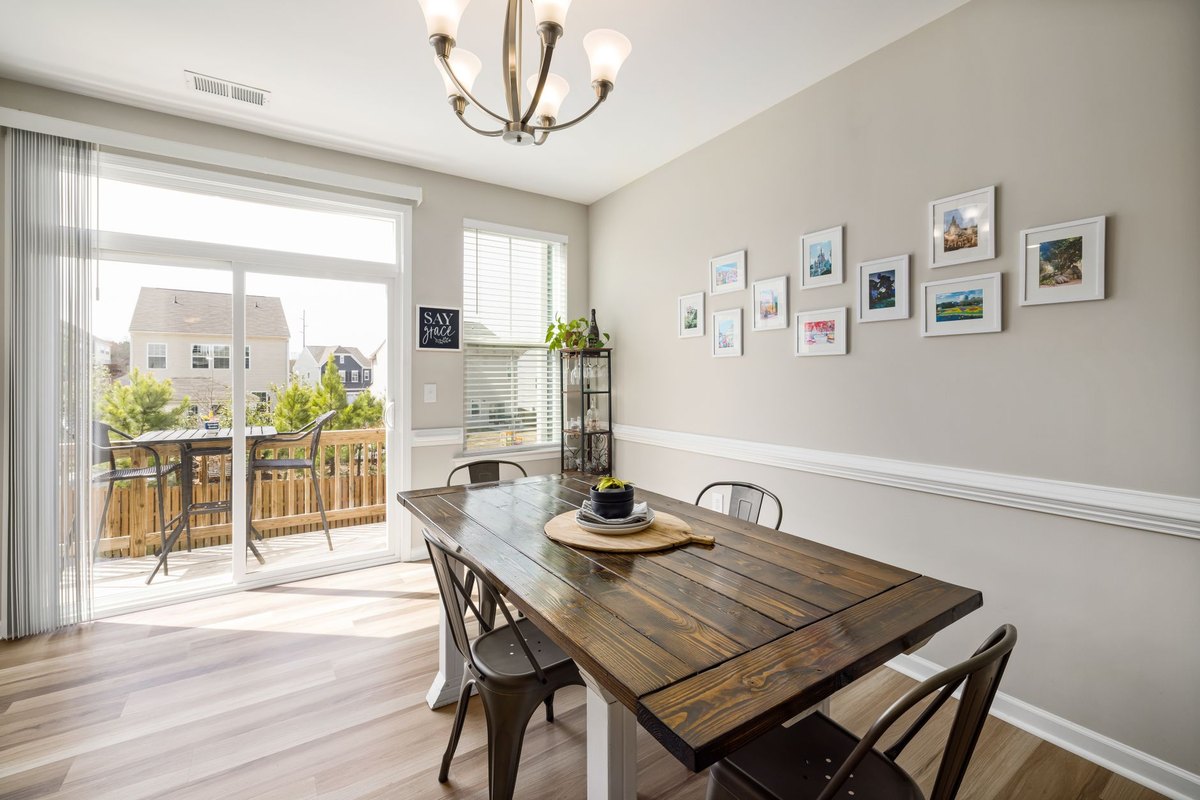
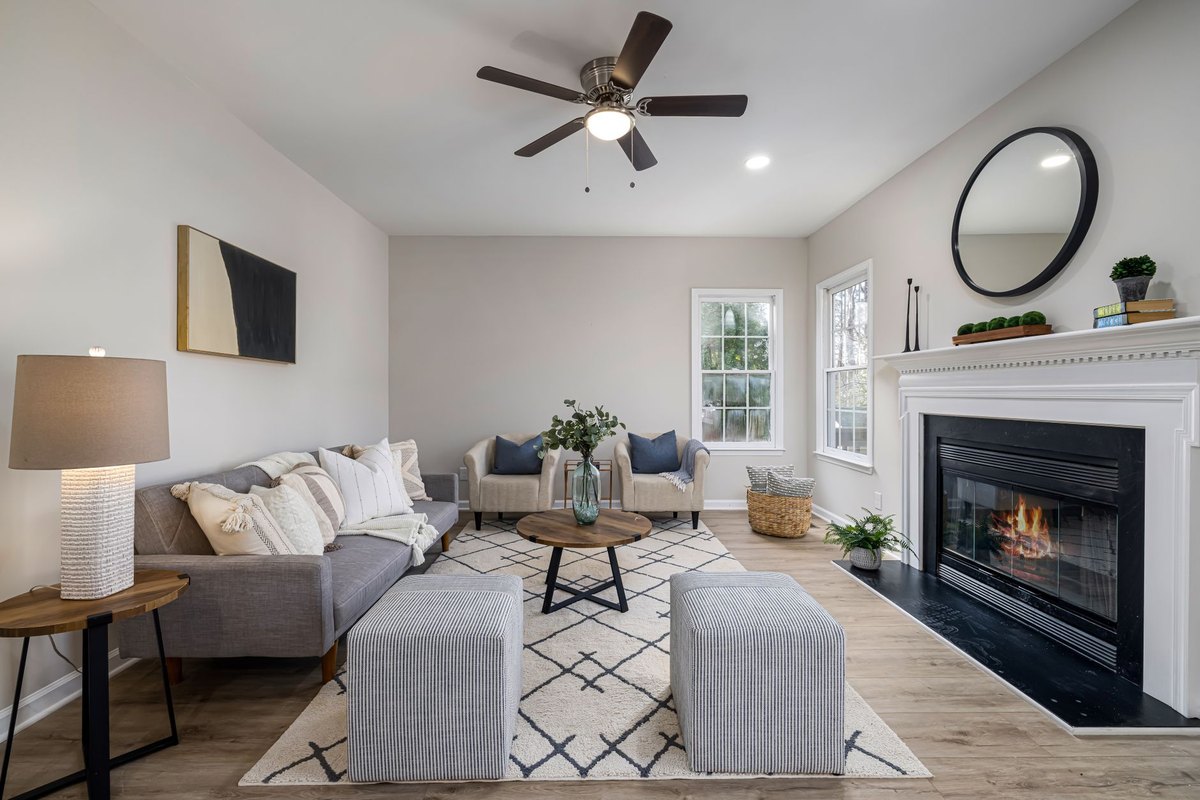
Living rooms, hallways, and staircases usually work the best as they naturally draw attention and have enough wall space to create a display that’s easy to notice. Usually, there’s enough room not just for a single or a few photos, but for an entire gallery wall. Living rooms and hallways are also spots where people tend to pause and engage in conversations, which gives your photos even more opportunities to be seen and appreciated.
Bedrooms are another good option, but keep in mind that you’ll be displaying photos for yourself. More personal and calming photographs work the best and can contribute to a calming atmosphere.
This doesn’t mean you can’t display your photos in other areas of your room, but these spots usually offer less visibility and make it difficult to naturally fit them into the space. If you’re looking for other places to display your work, consider smaller walls, corners, and areas above desks and furniture.
Plan Your Gallery Wall
Once you’ve decided where you want to showcase your photos, it’s time to plan how they’ll be arranged. This often depends on how much space you’re working with and what else is in the room. You always want your gallery wall to feel intentional, so take everything from furniture to other decorations into account.
When planning, you can go for a more structured layout and figure out where you want to hang each photograph. During this step, you can also consider any other wall decorations you want to include. For instance, you can place a piece of 3D wall art at the center of your gallery wall and hang your photos around it. Statement pieces like this can act as a visual anchor and tie your entire display together.
Your gallery wall also doesn’t have to be structured. You can just play around with different unstructured layouts and see what works best for the space. If you decide to go in this direction, make sure to test your layout. Arrange photos on the floor or draw a template on a piece of paper to visualize the final result.
Choose Photos That Match Your Space
The next step is what most people who are into photography get excited about. It’s time to choose which photos you’ll showcase in your home. The most important thing to do here is to find pieces of your work that match the colors in the room and your overall interior style. Any piece of our work you decide to display should complement the space and fit in naturally.
Another important thing to do is to go for consistency. Choose a theme or an editing style and stick to it. If you have a few photos that you like best, try to find others that will go well with them. For example, if you want to go with your travel photos, you can also add nature shots and architectural images.
When it comes to colors, you don’t have to put much thought into it, as each photograph is naturally unique. However, decide whether you want to go with black-and-white or color photography.
Pick Display Formats
Another thing that’ll have a huge impact on how your display looks are the formats you decide to go with. Choosing the right format ensures that everything in your photos is visible and helps your work stand out.
Framed prints are one of the most popular options as they provide both structure and protection. Plus, you can use the frame to match the display to the rest of the room. Think about your overall interior style and decide whether you want to go with simple frames and a clean look or more detailed frames with some character. Also consider different sizes and ensure your final choice can easily guide the viewer to your work.
Canvas prints are another popular option, especially if your photos include a lot of rich colors or strong contrast. They also create a more artistic feel, and if that’s how the rest of your home feels, going for canvas prints can be a good idea.
Use Lighting to Elevate Your Photos
As a photographer, you’re already well aware of how important lighting is. This also goes for displaying your photos, as even your best work may not grab enough attention if placed in dark or poorly-lit areas.
Natural light is your go-to option, but this isn’t always an option. If you have a wall that receives enough natural light through windows, it’ll help your photos look even better and stand out.
However, no wall receives natural light 24/7, so you’ll need to use artificial lighting to ensure your display stays visible in the evening. Picture lights are a fantastic option as they provide soft, warm lighting. Nearby lamps and wall-mounted lights are also something to consider. For ambient support, elegant table lamps placed on a side table or console work beautifully alongside wall-mounted lights. Just keep in mind that lighting that comes from above or slightly to the side tends to work the best. It highlights photos evenly and avoids unwanted shadows.
Final Words
Finding the right place on the wall and choosing how you want to arrange your photos isn’t as easy as it may seem. Start planning everything well in advance and give yourself enough time to work everything out. Remember to test any layout or frames you want to go with to avoid unnecessary adjustments later. Also, leave some free room as you’ll probably have more work to add to your display soon.