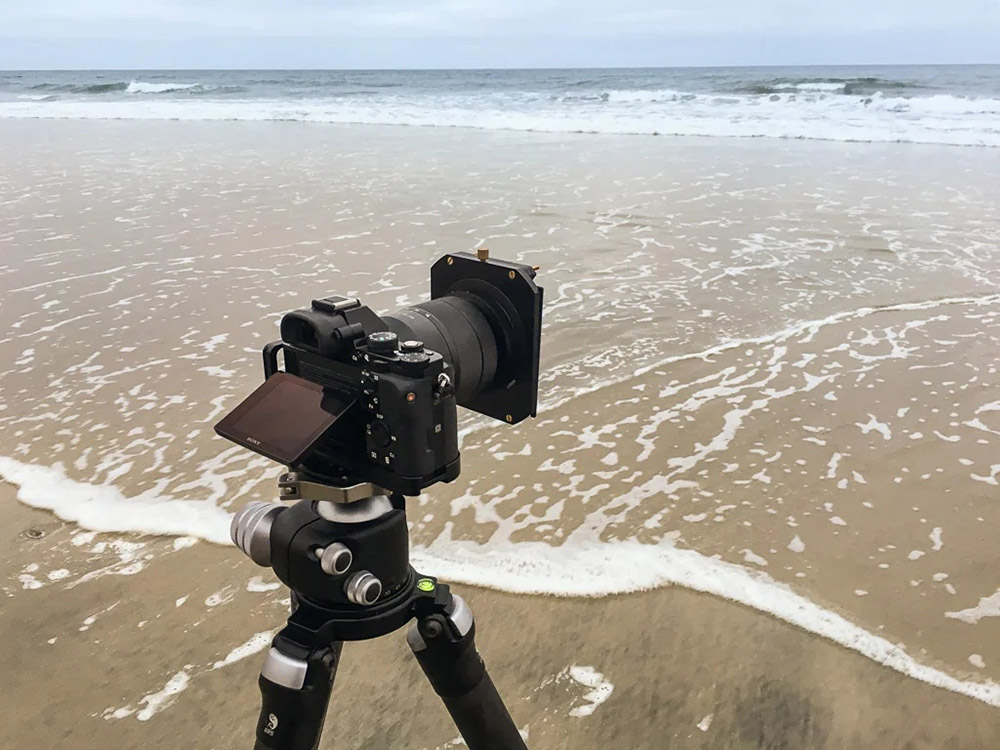
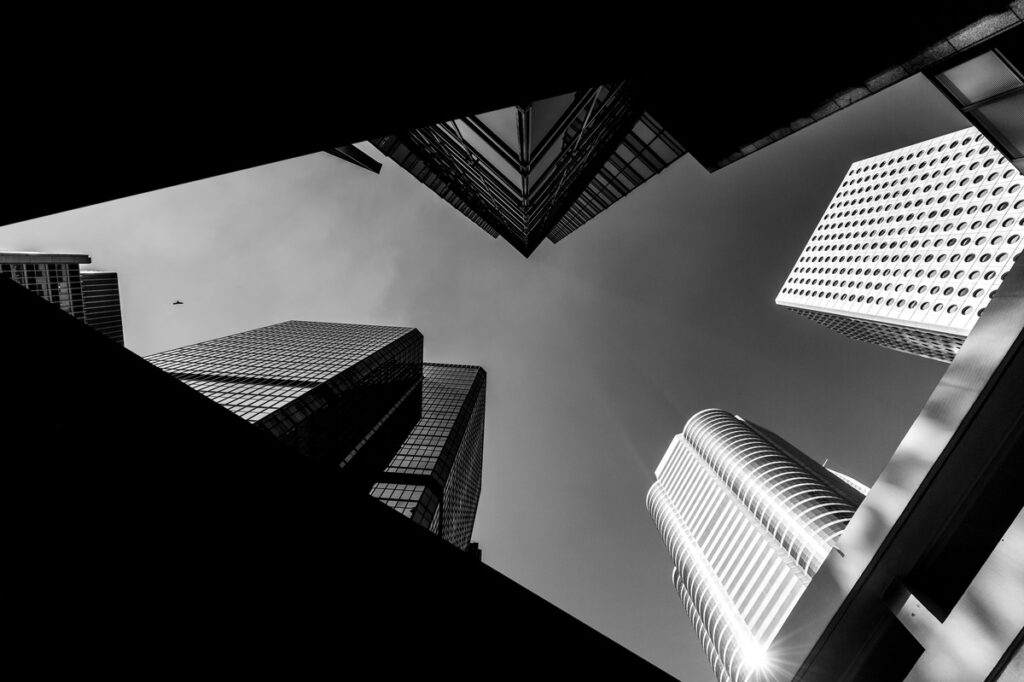
There’s something instantly nostalgic about monochrome photography. It doesn’t just show you a moment; it transports you into it with mood and emotion and with no distractions.
When you remove color, you start noticing everything else. Light becomes a character. Shadows carry weight. Emotion stands front and center. That’s why black and white photos often feel more raw, honest, and alive. It’s not about going retro or trying to be cool. It’s about telling a story that cuts through the noise. Some would argue that black and white photography reveals more because it gives you less to look at. Fewer distractions, more intention.
In this article, we’re diving into why monochrome photography still has a powerful grip on both beginners and pros. We’ll explore what makes black and white images compelling, how visual reduction creates stronger storytelling, and how to shoot in black and white like the legends. Whether you’re chasing the moodiness of bw photography or just curious why a black and white picture often hits harder than color, you’re in the right place.
In This Article:
Black and White as a Way of Seeing
Color is easy. It guides our eyes, shapes our emotions, and often tells us what a photo means. But take it away, and you’re suddenly operating on a different level. Black and white photography slows you down, forcing you to see truly. Shapes gain importance, light speaks louder, and emotion cuts deeper. Without color doing the heavy lifting, you begin translating moments, not just capturing them.
That’s where visual reduction comes in. It may sound complex, but really, it’s just subtraction. Remove color, leaving you with the essentials: contrast, texture, form, and space. It’s like decluttering your visual field. What’s left is intentional and bold. Monochrome photography doesn’t shout, it whispers, and those whispers often linger longer. It helps you train your eye to focus on what matters most.
Its greatest strength lies in storytelling. A black and white picture of a child at a rainy window isn’t just cute; it’s haunting and cinematic. It raises questions. It becomes a memory. That’s the hidden magic of black and white prints. No wonder many famous black and white photographers built their legacy in monochrome. Whether exploring bw photography or learning to shoot in black and white, it offers meaning beyond color.
The Psychology Behind Monochrome
Without the distraction of color, our minds naturally dive deeper into the image’s emotion and composition. Researchers and visual theorists suggest that monochrome photography activates a different part of our brain, more reflective and emotionally attuned. A simple black and white picture of an empty park bench can suddenly feel profound, even poetic, simply because our brains interpret mood instead of hue.
That emotional weight isn’t just anecdotal, and it has real-world effects. According to Ramikar Digital, 50% of brands that use black-and-white imagery in branding experience increased consumer recall. The absence of color enhances focus and reduces noise, helping the viewer connect more directly with the subject. This is why black and white images often appear in campaigns aiming to deliver serious, memorable messages. They don’t just show a product or face—they tell a story.
There’s also the timeless charm of it all. Black and white prints evoke nostalgia, transporting us to a different era, even if the photo was taken yesterday. It’s no wonder many famous black and white photographers swear by the emotional honesty of their craft. In a world saturated with filters and color edits, the stripped-down elegance of black and white feels refreshingly authentic, like a quiet conversation in a noisy room.
Simplicity, Symbolism, and Subtlety
When you strip an image down to its essentials, something magical happens. In black and white photography, the absence of color transforms ordinary scenes into powerful symbols. Light and shadow cease to be technical elements—they become metaphors. Brightness suggests clarity or hope; darkness hints at mystery or solitude. This duality is why monochrome photography often feels more layered and open to interpretation. It invites viewers to pause and ask, “What does this mean?”
With fewer distractions, the composition becomes more deliberate. A single expression, a line of contrast, and the texture of skin or sky all become part of the visual poetry. That’s why black and white images are often favored in fine art portraiture and documentary work. The simplicity sharpens the story. One iconic example? Dorothea Lange’s “Migrant Mother.” It’s not just a black and white photograph—it’s a haunting narrative of resilience and struggle, told through shadow, light, and gaze alone.
Black and white photos have also played pivotal roles in photojournalism. Think of the chilling clarity in Kevin Carter’s 1993 Pulitzer-winning image of a starving child watched by a vulture. It’s raw, symbolic, and unforgettable despite being colorless, but because of it. With color removed, emotion has nowhere to hide. The viewer is left with the stark truth, captured forever in black and white prints that feel like visual echoes of history.
Minimal Gear, Maximum Expression
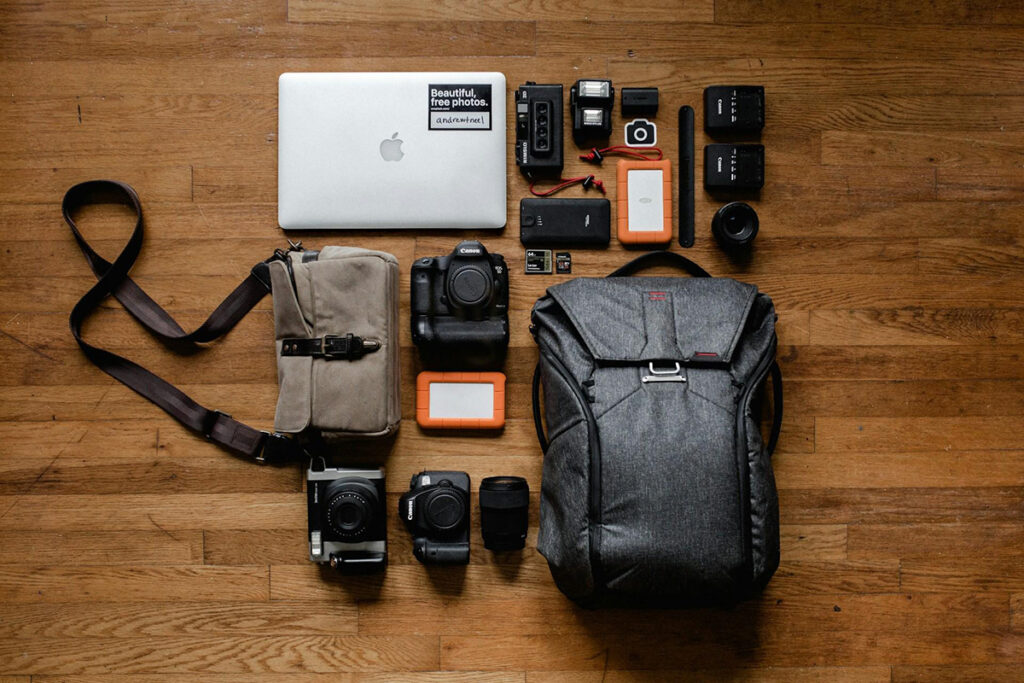
Here’s a refreshing truth: you don’t need a closet full of expensive gear to create compelling black and white photos. Some of the most powerful black and white images come from minimal setups. That’s the beauty of bw photography, it strips things down to the essentials, making it a fantastic entry point for anyone wanting to learn photography truly.
You’re in luck if you’re just starting or working with a tight budget. Here’s a quick list of affordable tools and techniques that make monochrome photography both accessible and expressive:
- Camera: The Canon EOS Rebel T7 is a solid beginner-friendly option, a DSLR under $500 that offers complete manual control. Even newer smartphones like the Google Pixel 7a or iPhone SE have excellent native black and white photography modes.
- Lenses: Try a Canon 50mm f/1.8 STM or Nikon 50mm f/1.8G, both affordable prime lenses (around $100–125) known for sharpness and creamy bokeh.
- Lighting: Use natural light as much as possible. But if you want to step it up, something like the Neewer LED Light Panel Kit (around $60) is a budget-friendly option for soft, adjustable lighting.
- Editing: Free apps like Snapseed (iOS/Android) offer strong black-and-white filters. For more control, use Lightroom Mobile. You can even try a background remover to create a cleaner background that emphasizes your subject.
- Tripod: The UBeesize 60″ Tripod (about $30) is lightweight, phone-friendly, and sturdy enough for basic shooting needs.
Want to know how to shoot in black and white more effectively? Focus on contrast, shape, and texture rather than color. These elements do the heavy lifting in a black and white picture. Practice spotting strong lines, patterns, or shadows. Even a cracked sidewalk or wrinkled hands can become captivating when captured with intention. You can create striking, emotional, and timeless black and white prints with just a little gear and a lot of vision.
Building a Black and White Photography Project
Starting your photo series might sound daunting, but it’s one of the most rewarding ways to grow your skills. A focused black and white photography project not only trains your eye, but it also gives your work cohesion and meaning. Monochrome storytelling offers a raw, expressive canvas, whether you’re drawn to urban textures, solitary spaces, or the beautifully weathered lines of aging hands. To guide you through it, here’s how to get started:
1. Pick a theme with emotional depth: Think beyond objects—focus on ideas or feelings. Are you drawn to isolation? Resilience? Stillness? Themes like “forgotten corners,” “shadows of the city,” or “quiet mornings” all work beautifully in black and white photos because they emphasize contrast and mood. A strong theme gives your series purpose.
2. Choose your locations and subjects wisely: Scout environments that visually support your concept. For example, alleyways and worn brick walls are perfect for gritty black and white images. Shooting indoors? Look for directional window light and textures like fabric, wood grain, or skin. Subjects can be people, places, or even objects; what matters is that they feel connected to your theme.
3. Shoot with intention: Plan a few sessions and stick to your concept. Focus on framing, light, and contrast. This is where you start developing a sense of how to shoot in black and white effectively. Even a simple black and white picture of a weathered hand can tell a layered story if composed well.
4. Edit consistently: Use the same editing style or preset throughout the project. Tools like Lightroom or Snapseed let you adjust tones and shadows. You can even remove background distractions or simplify busy scenes, making your subject stand out against a clean background.
5. Reflect and refine your style: After you’ve compiled your images, look for patterns in your work. What do they say about your visual voice? Creating a project helps you move from experimenting to refining. That’s how many famous black and white photographers found their signature style through repeated, intentional storytelling in black and white prints and photographs.
Whether capturing shadows on a sidewalk or the emotion in someone’s eyes, this timeless art form invites you to pause and shoot purposefully. With just a bit of gear, a strong theme, and some curiosity, you can create beautiful and meaningful work.
Color as a Distraction
Color can sometimes overwhelm a photo’s message. Let’s say you capture a street musician playing alone on a sidewalk. In color, your eye might jump straight to the bright yellow taxi in the background or the bold red graffiti on the wall. But, converting that same image into black and white photography, the viewer suddenly notices the tension in the musician’s hands, the weathered look on his face, and the emotion in the moment. This shift is why many photographers rely on black and white images to tell more focused, emotionally rich stories.
Certain moments lose their impact in color. A foggy portrait, for instance, might look dull in color but transform into something timeless in black and white. Many famous black and white photographers rely on this simplicity to spotlight human emotion. A clean white background or subtle shadows let black and white photos speak louder than any color palette ever could.
So, when should you skip color? When feeling matters more than flair. Use black and white photography for portraits, urban textures, still life, or any scene where contrast, form, or mood takes the lead. If color steals the show, it might be time to strip it away and let the real story shine through. The next time you edit and color feels like it’s stealing the spotlight, consider converting to black and white. You might just find your real story hiding underneath the saturation.
Sharing and Presenting Monochrome Work
You’ve captured some powerful black and white photos—now it’s time to show them off. But presentation matters just as much as composition. Keeping things cohesive makes a real difference, whether you share online or exhibit in a gallery. Monochrome images in portfolios improve client interest by 20%, which means your carefully curated black and white photography could open more doors than you think. When uploading online, maintain a consistent mood or theme to let your style shine through.
If you’re printing, don’t overlook the physical feel. Matte paper highlights the softness in black and white prints, while glossy stock sharpens contrast and detail. Try fiber-based or baryta papers for vibrant blacks and subtle gradations in a black and white picture; they’re favorites among fine art printers. And yes, quality matters: professional-looking black and white photograph prints can elevate your work from hobbyist to serious artist.
Want to reach a broader audience? Try posting on Instagram using hashtags like #bwphotography, or #monochrome_magic. Engaging with other fans of bw photography helps you get feedback, find inspiration, and grow your following. It’s not just about likes, it’s about connecting with people who genuinely appreciate the subtleties of monochrome photography.
Ready to Take a Shot?
Color speaks loudly, but sometimes, the quiet leaves a deeper mark. Black and white photography strips away the noise and leaves only the essence. It’s not less; it’s more. More feeling, more story, more space to think and feel. By removing color, we return to the raw building blocks of imagery: contrast, emotion, and form.
Shooting in black and white invites us to slow down and truly see. It sharpens our eyes and deepens our storytelling. A world without color isn’t empty. It’s intentional. Each frame becomes a meditation in light and shadow, and each subject feels more present and timeless. If you want to grow as a visual storyteller, try leaving color behind for a while.As photographer Ted Grant once said, “When you photograph people in color, you photograph their clothes. But when you photograph people in black and white, you photograph their souls.”

Yen Pedrajas
Content writer for Removal.AI
Yen is a content writer for Removal.AI, an image background remover tool. She is a digital marketing and eCommerce enthusiast who loves to write and share new insights about marketing, eCommerce, and growth-hacking tips for startup businesses.