
Artificial intelligence has quietly changed what people expect from a camera. A smartphone camera is no longer simply a lens connected to an image sensor. Software now adjusts exposure, removes noise, recognizes subjects, improves portraits, combines multiple frames and even recommends how a photograph should be composed. Google’s Pixel smartphones, for example, use AI-driven computational photography features to improve image quality and simplify editing.
The same technological shift is now moving rapidly into security. The global AI in video surveillance market was valued at approximately $7.2 billion in 2025 and is expected to reach $8.3 billion in 2026. By 2033, it is projected to grow to around $33.8 billion, reflecting the growing demand for cameras that can do more than simply record footage.
At the same time, the broader surveillance camera market is expected to grow significantly through the end of the decade as businesses, public facilities and other organizations modernize their security infrastructure. These numbers reflect a fundamental change. Cameras are becoming intelligent computing devices capable not only of recording the world, but also of understanding what is happening within it.
In This Article:
Key Takeaways
- AI has transformed cameras from passive capture devices into systems capable of interpreting visual information.
- Computational photography provides an early example of how software can dramatically improve camera capabilities.
- Security cameras increasingly use AI to detect objects, movements and unusual events automatically.
- As camera intelligence increases, privacy, accuracy and responsible data management become equally important.
Smart Photography Was the Beginning
Photography provides one of the clearest examples of how AI can redefine camera technology.
For decades, camera development focused primarily on hardware improvements such as larger sensors, sharper lenses and higher megapixel counts. Smartphone manufacturers changed that approach by combining hardware with increasingly sophisticated software.
Modern smartphones can capture several images within milliseconds and combine information from those frames to produce a final photograph. Algorithms can identify faces, distinguish people from backgrounds, compensate for low light and stabilize video.
The computational requirements become especially significant with video. Processing a single minute of high-resolution video may require analyzing thousands of individual frames, each containing large amounts of visual information.
AI makes it possible to process this huge stream of visual data quickly.
Instead of asking whether a camera captured enough pixels, manufacturers increasingly ask what software can understand and improve after those pixels have been captured.
Cameras Are Moving From Seeing to Understanding
The next stage of camera technology goes beyond improving image quality.
AI models can analyze what appears inside an image or video frame. They can recognize people, vehicles, objects and movement patterns while distinguishing meaningful activity from background motion.
This capability has major implications for surveillance.
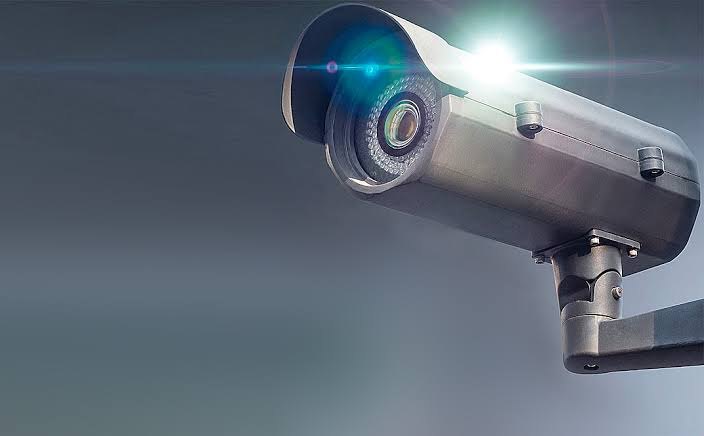
Traditional CCTV systems primarily recorded footage. When an incident occurred, someone often had to determine which camera captured it, estimate the relevant time and manually review the recording.
Intelligent camera platforms can dramatically change that workflow.
Rather than treating every frame equally, AI can identify potentially relevant events and make large amounts of video easier to investigate. A system might distinguish a person from a moving tree, identify activity within a restricted area or locate footage containing a particular vehicle.
The camera therefore becomes part sensor, part computer and part information system.
How AI Is Changing Video Surveillance
Businesses may operate dozens, hundreds or even thousands of cameras across buildings, warehouses, parking areas, schools and other facilities. More cameras provide greater coverage, but they also create enormous quantities of footage.
Human operators cannot realistically watch every feed continuously.
This is where AI video surveillance platforms such as Coram demonstrate how camera intelligence is evolving. Coram can add AI capabilities to existing IP camera environments, helping teams search video more efficiently, identify relevant activity and generate alerts. The growing use of security video analytics also allows organizations to turn large volumes of camera footage into more useful information instead of relying entirely on manual monitoring and review.
The broader significance goes beyond any single platform. AI allows organizations to move from simply collecting video toward extracting useful information from it.
Security teams can spend less time searching through recordings and more time assessing situations and deciding how to respond.
Security Is Only One Application
The intelligence being added to cameras can also provide operational information.
In retail environments, video analytics can help organizations understand traffic patterns or identify crowded areas. Manufacturing facilities can use computer vision to observe restricted zones or potentially unsafe conditions. Transportation facilities can analyze vehicle movement, while large campuses can use intelligent video to improve situational awareness.
This creates an important distinction between conventional CCTV and modern camera systems.
Traditional surveillance asks: What happened?
Intelligent camera systems increasingly ask: What is happening, and does someone need to know about it?
That ability to interpret visual data could make cameras increasingly important beyond physical security.
Greater Intelligence Requires Greater Responsibility
More intelligent cameras also create new concerns.
Systems capable of identifying people, analyzing behavior or storing large amounts of video inevitably raise questions about privacy, cybersecurity and data governance.
Organizations therefore need clear policies governing what cameras monitor, how information is processed, who can access recordings and how long data is retained.
Accuracy matters as well. AI detection should support human decision-making rather than automatically treating every unusual event as a confirmed threat.
The future of intelligent cameras will depend not only on what AI can detect, but also on how responsibly organizations use that capability.
The Future Camera Will Be Defined by Software
Camera innovation was once measured primarily through megapixels, lenses and resolution.
Those factors still matter, but software is becoming equally important.
Smartphones demonstrated how AI could turn relatively small cameras into sophisticated photography systems. Surveillance is following a similar path, with cameras becoming intelligent sources of searchable and actionable information.
As computer vision improves, the difference between a camera and a visual computing system will continue to narrow. The most important development may therefore not be cameras that simply see farther or record more clearly, but cameras that can better understand what they see.
FAQs
What is AI video surveillance?
AI video surveillance combines cameras with artificial intelligence and computer vision software that can analyze recorded or live video. Depending on the system, it may recognize objects, detect movement patterns, identify relevant events and help users search footage more efficiently.
How is AI used in smartphone photography?
AI can help smartphones combine multiple images, improve exposure, reduce noise, recognize subjects, enhance portraits and assist with image composition or editing.
Will AI replace traditional security cameras?
Not necessarily. In many cases, AI software can enhance existing IP camera infrastructure, allowing organizations to gain intelligent capabilities without replacing every camera.
What are the biggest concerns surrounding intelligent cameras?
Privacy, cybersecurity, data retention, algorithm accuracy and appropriate use are among the most important considerations. Organizations need strong policies and human oversight when deploying increasingly intelligent camera technology.