
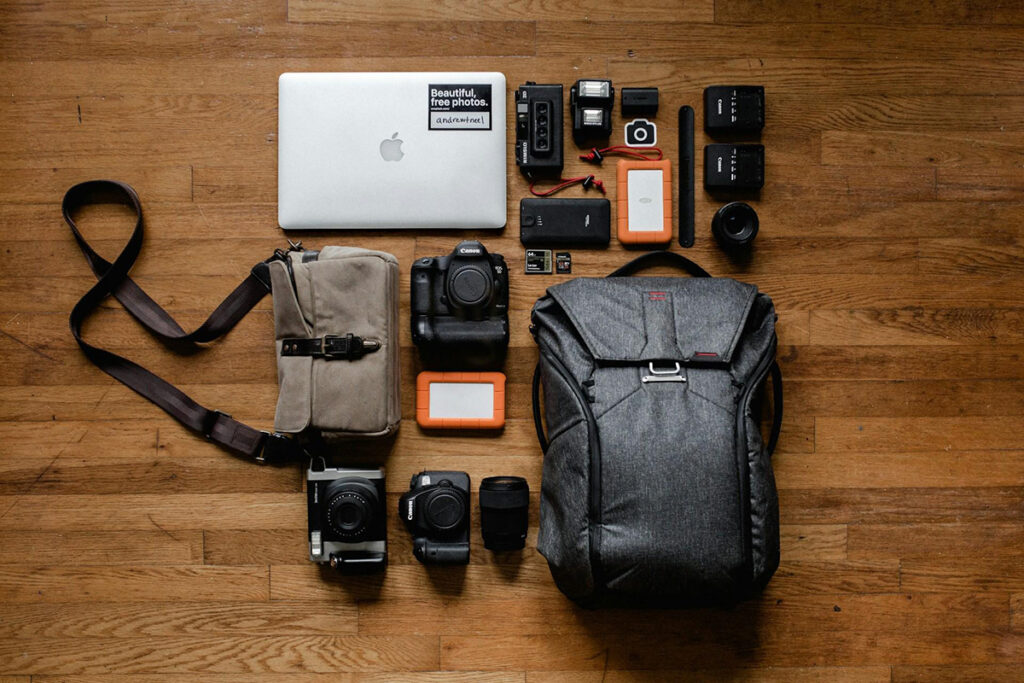
Moving around the world, camera in hand and vision in mind, can be a thrilling adventure. But the reality behind this dream is a bit more complex than that. First of all, your precious photo equipment needs extra padding and protection if you want it to reach the destination in one piece.
Then, there’s the financial aspect. Traveling is expensive and risky. If you’re not vigilant enough, you could end up in the middle of nowhere with no cash and no way of moving forward. This is why you should always have a “break glass in case of absolute disaster” emergency fund.
Precious metals, such as silver, gold, and platinum, in their bullion form, are globally recognized and easy to use as currency if all else fails. It is indeed an unconventional choice, but when your photo shoot takes you to three countries with different financial systems, precious metals are the common denominator.
The secret is to know how much to take and how to stash it in your bags so it won’t raise any flags. In today’s article, we’ll share a few field‑tested practices for safely carrying precious metals across borders, so stick around until the end.
In This Article:
1. Choose Portable Denominations
Small and liquid is your best approach as a traveler. Rather than one 10-ounce silver bar, you should carry fractional bullion, which is smaller, easier to hide, and much easier to liquidate.
Let’s say you want to carry silver bullion. You can have your pick: coins, rounds, and bars. Most travelers will choose coins, because they are easier to keep safe and quite inconspicuous. But as a photographer, you might be better off with bars.
Precious metal bars from major mints are also available in 1-oz and 5-oz versions that you can stash in your photo bag as part of your equipment. Their flat, mirror-like surface can easily be mistaken for a light reflection device. Plus, the shape makes it easy to slide the bar in a camera bag’s hidden pocket or a filter wallet.
If you choose coins, make sure they are highly recognizable (e.g., American Eagles or 2026 British Sovereigns). One coin currently has a value of roughly $250–$300, so be extra thorough when securing it in your wallet or luggage.
2. Check Customs and TSA Rules
It’s normal not to want to advertise the fact that you’re carrying precious metals, but TSA checkpoints, especially in airports, will most likely spot a gold or silver bar in your luggage. Gold, silver, and platinum are incredibly dense and appear as solid black shapes on an airport scanner. TSA agents will pull your bag for a manual search 100% of the time.
To save time, you can place the bar in a separate bin (like a laptop) or tell the agent, “I have a high-density metal photography reflector/tool in this bag that might trigger an alarm.” You are not legally required to do this, but it will make things easier and faster.
Going through customs while carrying precious metals is a different story. In most countries (including the US and EU), you must declare any monetary instruments or commodities valued at over $10,000. If you don’t, there’s a good chance your bar/round/coin will be confiscated.
Still, do not assume this rule applies everywhere. Countries like Vietnam or South Africa have very strict commodity laws, and carrying a silver bar without a declaration can lead to immediate seizure and a smuggling charge.
3. Insure All Your Valuables
The last thing you want to do when preparing for a lengthy travel shoot is sift through insurance providers, but if you plan to carry expensive equipment and precious metals, this is a necessary step.
But while lenses and bodies are easily covered by travel photography insurance, precious metals are considered monetary instruments or high-risk commodities, and few providers will cover them. If you rely on standard travel insurance (like Allianz or World Nomads), bullion is almost always capped at a very low cash limit.
Also, know that insurance never covers items seized by customs. If you fail to declare your silver and a customs agent takes it, your insurance will not reimburse you.
4. Plan for Emergency Liquidity
While the value of gold and silver is universally recognized, you cannot exchange bullion at a standard bank or airport currency kiosk. You need a certified dealer to exchange your bars for cash.
Given that this is your emergency backup fund, you may have to liquidate your bullion in more unusual situations. Let’s say you are in a remote region. No certified broker in sight, and you need transport or medical care. Silver and gold are easy to recognize, especially if they bear official insignia, and you can barter them for services.
In a stable foreign city, you may be able to walk into a reputable gold dealer or jewelry exchange and convert your bar(s) to local cash. In places like Dubai’s Gold Souk or Mumbai’s Zaveri Bazaar, jewelry stores often act as bullion dealers.
Warning: In most of these cases, you will lose value. These buyers will almost always offer lower rates compared to official exchange houses.
Precious Metals as a Travel Backup
As a rule of thumb, precious metals should not be your go-to backup in case your primary payment method fails. Carrying silver/gold coins or bars should be your nuclear option, for when everything else fails.
Whenever you’re off the grid or in high-risk zones, carrying 1–2 ounces of gold and a handful of silver is a savvy move, provided you treat them as tools of the trade and stay under the $10,000 reporting threshold.