
In This Article:
Why Some Film Cameras Hold Up – and Others Don’t
Here’s something you probably already know—not all used film cameras you buy secondhand hold up the way you expect. Some stay reliable for years. Others look great until you run a few rolls through them, and the results tell you everything you need to know.
The difference shows up in the details. Shutter consistency, focus accuracy, and how the lens actually renders once the images come back. When you’re buying secondhand, those things matter more than the name on the front.
At Perfect Image, we work with film every day, processing, scanning, and evaluating cameras as they come through the shop. You start to notice patterns. Some models hold up. Others don’t.That’s why we’re selective about what we recommend, and why we always suggest buying from a place that thoroughly checks their gear before it’s sold. If you want to see what that looks like in practice, you can browse our used inventory selection.
In This Guide
These are the cameras we’ve seen actually hold up—ones that come through the shop, get used, and don’t need to be fought to get consistent results.
Some are simple. Some give you more control. All of them earn their place once you run a few rolls through them.
- Chinon Auto 3001
- Polaroid SX-70
- Konica Z-Up 150 VP
- Canon AE-1 Program
- Minolta X-570
Used Film Cameras Worth Buying Secondhand
If you’re shooting with film, it’s not because it’s easier or more efficient. Digital does that better. You use it because of how film handles light, the way it renders color, and what the images feel like when they come back—softer highlights, more natural skin tones, and a look that doesn’t feel overly processed.
Film cameras also change how you shoot. Fewer frames. No instant feedback. You slow down, pay closer attention, and commit to the shot. It makes you earn it.
And the used film camera you choose plays a bigger role than most people expect.
These are the ones we trust. Refurbished film cameras we’ve seen maintain good working order, and deliver results you don’t have to fight for.
Chinon Auto 3001
This is one people often sleep on. Then the scans come back, and they change their mind pretty quickly.
It’s a simple point-and-shoot, but it gets the important things right.
What stands out:
- The lens is sharper than you’d expect once you see the scans
- Autofocus is consistent enough that you’re not thinking about it
- Exposures tend to come back even in good light, without much correction
In real use, it’s quick. Slide the cover open, and it’s ready. Focus locks, you shoot, and more often than not, you get what you were going for. That’s not true for a lot of cameras in this category.
Where it falls short:
- Limited shutter range (you’ll feel it in bright conditions)
- No real control if you want to dial things in
- A little bulkier than the premium compacts people chase
That’s not really the point of this camera.
If you find one that’s clean and working, this is the kind of secondhand camera that delivers. Easy to carry, easy to trust, and reliable enough that you don’t think about it once you’re shooting.
Polaroid SX-70
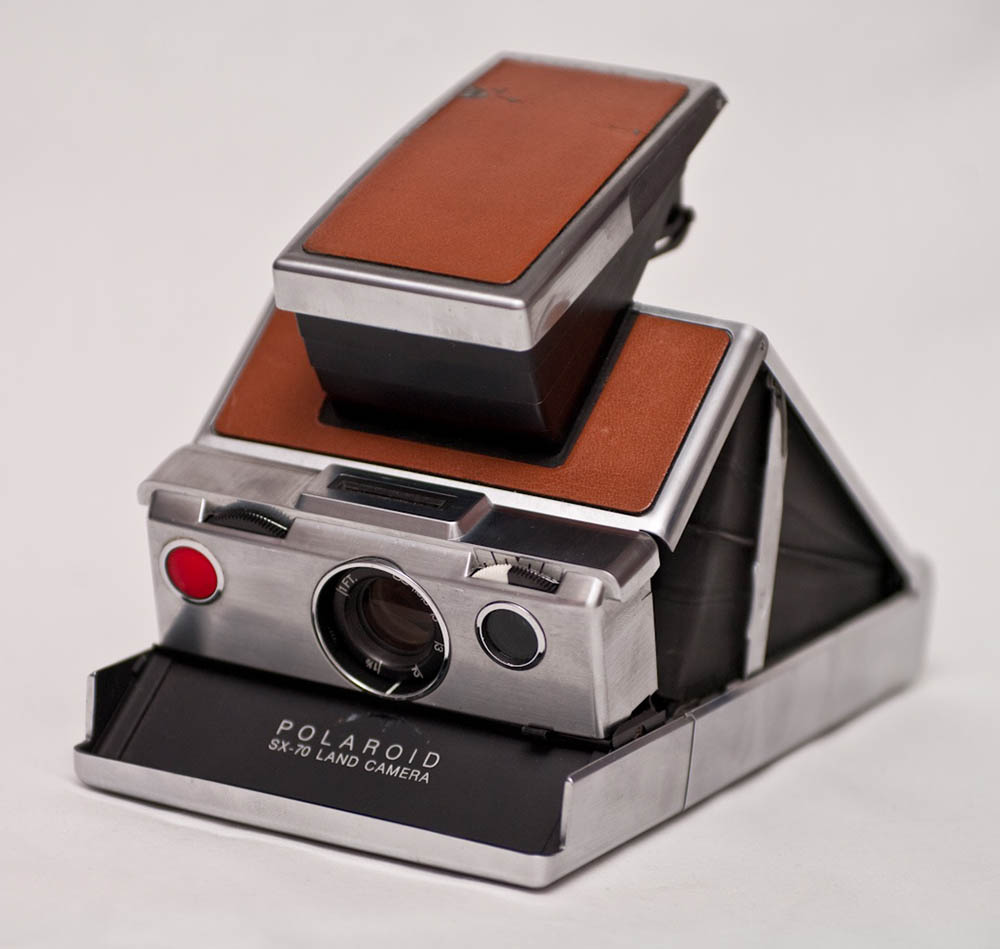
Credit: Thomas Backa from Turku, Finland, CC0, via Wikimedia Commons
This one’s about the experience as much as the result.
You’re shooting instant film and watching the image develop in your hand over a few minutes. Colors shift as it comes in. Contrast builds. Sometimes it lands exactly how you saw it. Sometimes it drifts softer, flatter, or a little off. That’s part of what people like about this style of shooting.
It’s also not as simple as it looks.
What stands out:
- Folding SLR design—what you see through the viewfinder is what ends up on film
- Manual focus that takes a second to get right, especially close up
- That Polaroid look—muted colors, softer contrast, and a kind of built-in imperfection
In use, it slows everything down. You’re not firing off frames. You take one, wait, and live with it. There’s no correcting it after the fact.
Where it falls short:
- Exposure can vary depending on lighting, film, and how well the camera has been maintained
- SX-70 film is slow—you’ll feel it indoors without flash
- Film is expensive, so missed shots add up quickly
- Many of these benefit from servicing to perform the way they should
If you find one that’s been serviced and is working well, it’s worth considering. But this isn’t a camera you rush with. It rewards patience and a little tolerance for things not coming back the same every time.
Olympus XA2
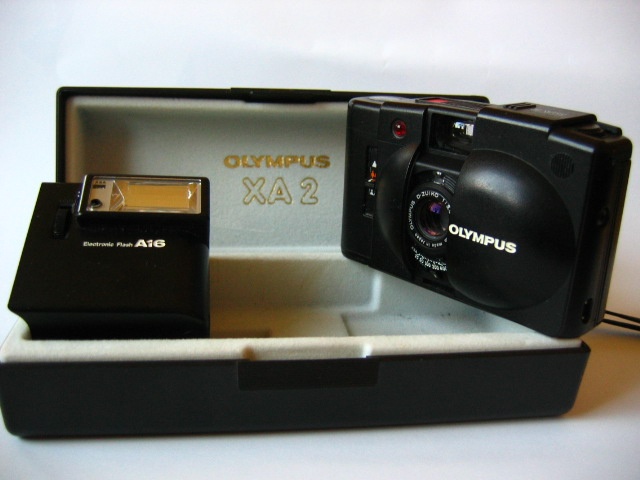
This is one of the easiest cameras to carry—and one of the easiest to misunderstand.
It’s not autofocus, and it’s not manual focus in the usual sense. You’re working with zone focus. Close, mid, far. That’s it. Once you get used to it, it’s quick. But it takes a little practice up front.
What stands out:
- Small enough to actually keep on you all day
- 35mm lens that’s sharper than you’d expect from something this compact
- Quiet shutter that doesn’t draw attention
In use, it’s fast once it clicks. You’re not waiting on focus. You’re setting the distance, raising the camera, and taking the shot. That’s why people like it for street or everyday carry because it doesn’t slow you down.
Where it falls short:
- Easy to miss focus if you’re guessing the distance
- Limited in low light
- Less control than a true manual camera
If you find one that’s clean and working, this is the kind of camera you actually toss in your backpack or handbag. It’s not about control or precision—it’s about having something on you that’s ready when something interesting happens.
Konica Z-Up 150 VP
This was Konica’s top Z-up model, and it shows. A 38–150mm zoom, variable-power flash, exposure compensation, and DX up to ISO 3200. For a compact zoom, there’s a lot built in.
What stands out:
- 38–150mm zoom that actually gives you a usable range
- More control than most point-and-shoots in this category
- Diopter-adjustable viewfinder, which is a nice detail and not something you see often
In use, it makes sense for travel, walking around, or anything where you want one camera to cover a lot without thinking too much about it. At the wide end, it holds up well. Push past 100mm, and you may start to see some softness or flare, which comes with the territory on zooms like this.
Where it falls short:
- You’re trading some sharpness for flexibility
- The lens slows down as you zoom, which matters in lower light
- At full zoom, it won’t match a fixed-lens compact
If you find one that’s clean and working, this is a solid all-around option. Not something you obsess over. Just something you bring with you and use.
Canon AE-1 Program
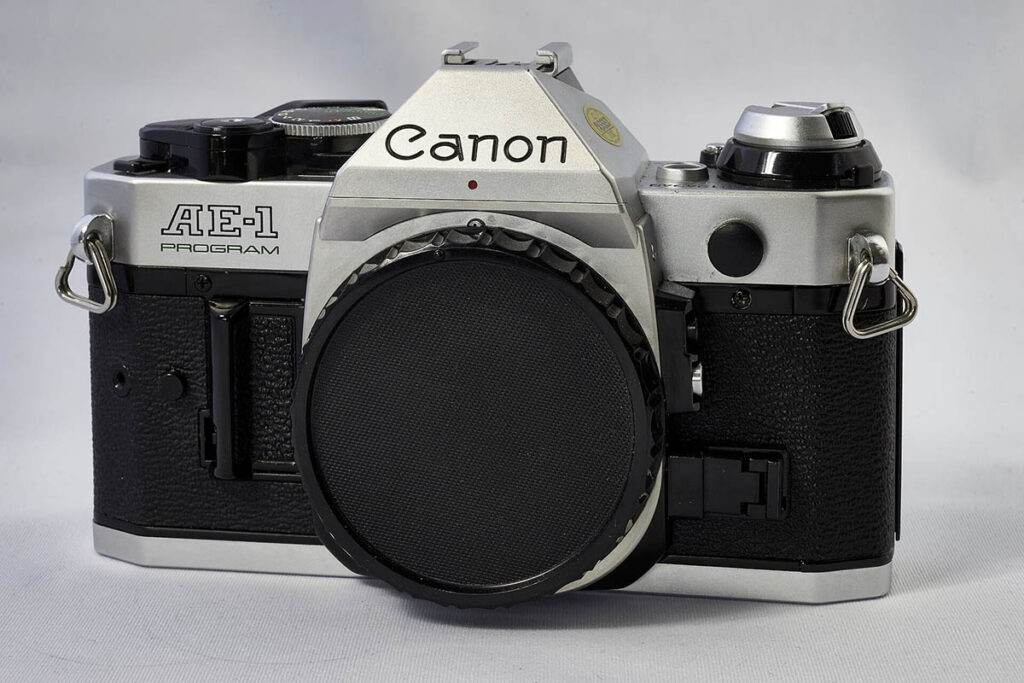
This is one of the most recognizable film cameras out there, but it didn’t get there by accident. It works, it’s easy to learn, and it keeps up once you know what you’re doing.
It’s simple to get into, but it doesn’t box you in. You can shoot in Program mode and let the camera handle exposure, or take control when you’re ready. That flexibility is what keeps people using it long after they’ve moved past the basics.
What stands out:
- Program mode that makes it easy to pick up and shoot right away
- Manual control when you want to take over
- Bright viewfinder that makes focusing feel straightforward
With a 35mm or 50mm lens, it just makes sense. You’re not fighting the camera. You’re learning how to see, how to meter, how to make decisions, and the camera keeps up with you as that improves.
Where it falls short:
- The shutter can get loud or develop a “squeak” over time
- Needs a battery to operate
- Larger than most point-and-shoot options
If you find one that’s been taken care of, this is the kind of camera that earns its reputation. Not because it’s rare or special, but because it does exactly what you need it to do, and keeps doing it.
Minolta X-570
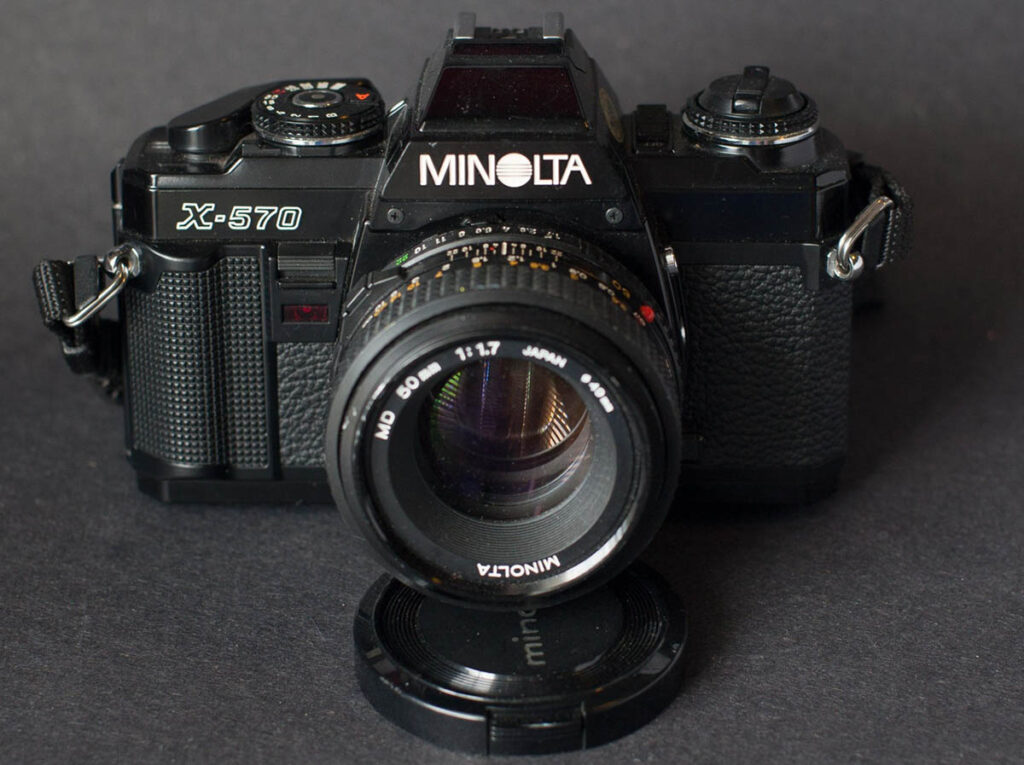
This is one people tend to gravitate towards after they’ve been shooting for a bit.
It doesn’t have the same recognition as the AE-1, but in use, a lot of people end up preferring it. The layout makes sense, the meter gives you more to work with, and it just feels a little more dialed in.
What stands out:
- An LED meter that shows both your selected shutter speed and the camera’s suggestion
- Aperture-priority mode that’s easy to rely on
- A viewfinder that gives you more usable information while you’re shooting
That meter is the difference. You’re not guessing or checking after the fact. You see what’s happening before you take the shot, and you adjust with intention.
Where it falls short:
- Less recognition, so it gets overlooked
- Still battery-dependent
- Not as widely available as Canon lenses
In use, it feels more deliberate. You’re making decisions, not just reacting. And once you get used to that, it’s hard to go back.
If you find one that’s clean and working, this is the kind of camera people stick with. Not because it’s flashy, but because it gives you exactly what you need without getting in the way.
What to Check Before Buying a Used Film Camera
You don’t need to overthink it, but a few things matter once you start putting film through a camera.
What to look at:
- Lens condition – Check for haze, fungus, or scratches. A clean lens matters more than anything else.
- Shutter behavior – It should fire cleanly and consistently, not hesitate or drag.
- Light seals – Older foam can break down and leak light.
- Focus accuracy – It should lock or align the way you expect.
- Battery compartment – Corrosion here can cause hidden issues.
You don’t need perfect. You need something that works the way it’s supposed to.
That’s where secondhand gets tricky. Two cameras can look identical and behave completely differently once you shoot them. “Tested” can mean anything.
Buying from a place that actually checks its gear removes a lot of that guesswork. You’re not troubleshooting your first few rolls, you’re just shooting. Whether you’re buying from a second-hand camera store or browsing online listings, the gap between ‘looks good’ and ‘works properly’ is where most people get burned.
The Right Used Film Camera Is the One You’ll Keep Using
At a certain point, it becomes less about specs and more about how you see. You know what you’re drawn to and how you want your images to look on film.
It’s not about the latest technology. Some of these cameras are decades old. What matters is whether they deliver, roll after roll. The right camera doesn’t slow you down or make you second-guess.
The ones that hold up are the ones you keep coming back to because they do exactly what you expect every time. That’s the standard we work from at Perfect Image—and it’s what separates a camera that looks good from one that actually earns its place in your hands.