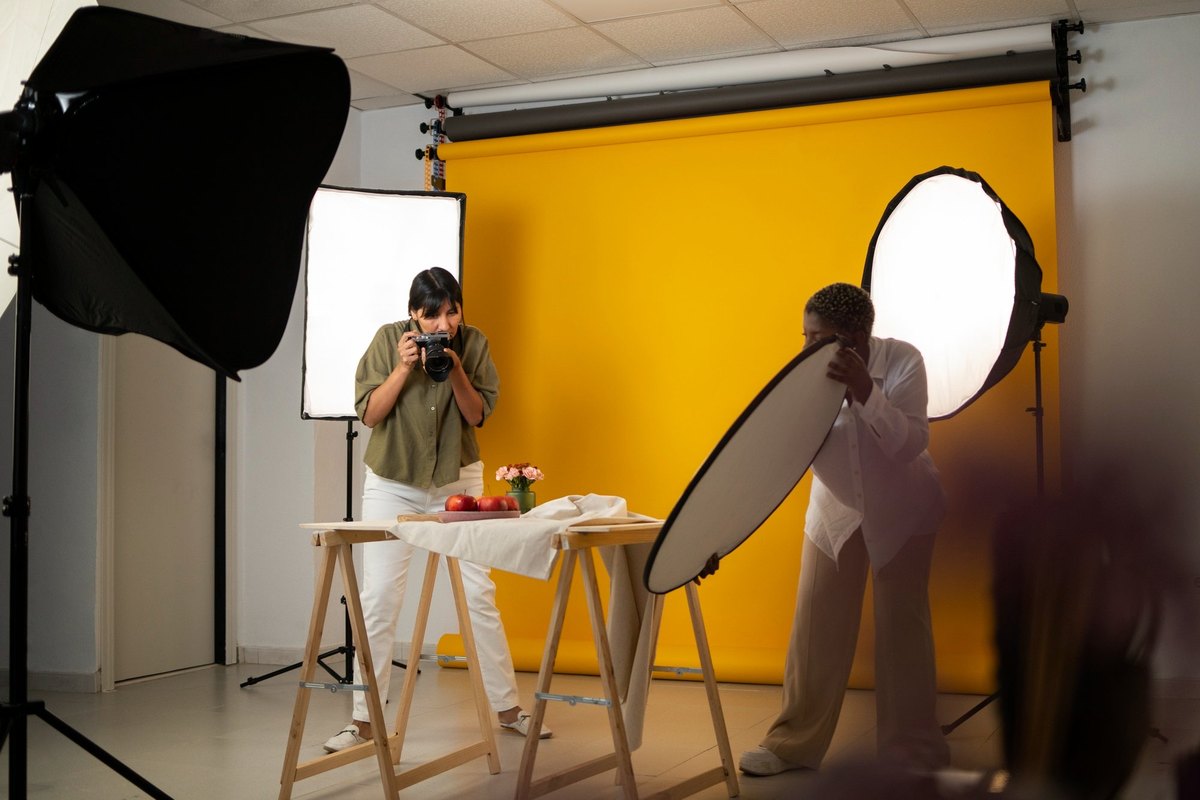


The boundaries between photography and videography continue to blur in the world of digital media. While traditionally seen as two distinct creative fields, today’s photographers often find themselves working with both still images and moving visuals.
One key player bridging this gap is video editing software. These tools, once considered exclusive to filmmakers, now play an essential role in the modern photographer’s toolkit.
In This Article:
1. The Convergence of Photography and Videography
Photography in the Digital Age
With the rise of DSLR and mirrorless cameras that can shoot high-resolution photos and 4K or even 8K videos, many photographers have expanded into videography. Clients now expect visual content across multiple platforms—Instagram Reels, YouTube, TikTok, and more. A single shoot might involve both photos and video clips to tell a complete story, and having access to a video editor is becoming just as important as photo editing software.
Visual Storytelling Beyond Still Images
Video can tell a broader story than still images. For example, wedding photographers often deliver cinematic highlight reels alongside traditional photo albums. This evolution demands photographers to not only shoot video but also edit it effectively. With user-friendly options like the Clideo App in AppStore, even beginners can start experimenting with motion-based storytelling. A simple video editor can help photographers add music, trim clips, and apply filters—giving life and emotion to visual narratives.
2. Enhancing Visual Aesthetics with Video Editors
Color Grading for Mood and Tone
One of the most powerful features of video editing software is color grading. Tools like Adobe Premiere Pro, DaVinci Resolve, and Final Cut Pro allow photographers to fine-tune video clips to match the mood of their photos. This ensures brand consistency across all visual content.
Creating Cohesive Visual Narratives
Photographers can use transitions, overlays, and music to build a cohesive story from multiple video snippets. Photographers can use transitions, overlays, and music to build a cohesive story from multiple video snippets. This storytelling ability adds a dynamic edge to photography portfolios and marketing materials, especially for commercial and lifestyle photographers.
3. Expanding Creative Possibilities
Time-lapse and Slow Motion
Techniques like time-lapse photography and slow-motion video allow creators to depict motion and the passage of time in unique ways. Video editing software is essential to stitch time-lapse sequences together or adjust frame rates for slow motion, helping photographers present scenes from a new perspective.
Cinemagraphs and Motion Graphics
Cinemagraphs—still photos with minor, repeated movements—are gaining popularity in advertising and social media. These hybrid visuals are created using video editing software, enabling photographers to produce eye-catching content that bridges the gap between photo and video.
4. Improving Workflow and Efficiency
Integrated Photo-Video Editing
Modern editing platforms often integrate both photo and video editing capabilities. Adobe’s Creative Cloud, for example, allows seamless transitions between Lightroom (for photos) and Premiere Pro or After Effects (for videos). This integration saves time and keeps the creative process fluid.
Templates and Presets
Video editors come with a variety of templates and presets that help photographers maintain stylistic consistency. These tools are especially helpful when producing high volumes of content for social media or client marketing campaigns.
5. Meeting Market Demands
Social Media and Marketing
Businesses increasingly demand multimedia content. A static image might perform well, but a short, engaging video can often drive more engagement. Photographers who offer both services become more competitive in the market. Video editing software enables them to deliver polished, professional video content with the same creative quality as their photography.
Portfolio Diversification
Adding video to a photography portfolio shows versatility. Clients browsing a photographer’s work are more likely to be impressed if they see compelling photo galleries and well-edited videos. This dual offering can open doors to new opportunities, such as commercial ads, behind-the-scenes content, and product showcases.
6. Learning Curve and Accessibility
User-Friendly Software Options
There are plenty of beginner-friendly tools available. Professional-grade software such as Premiere Pro and Final Cut Pro have a steep learning curve, but there are plenty of beginner-friendly tools available. Programs like iMovie, Filmora, and Adobe Premiere Rush provide photographers with accessible entry points into video editing without sacrificing too much creative control.
Online Tutorials and Communities
The internet is rich with tutorials, forums, and online courses that help photographers quickly learn video editing skills. Platforms like YouTube, Skillshare, and Coursera offer step-by-step guides tailored specifically for photographers venturing into video.
Conclusion
Video editing software has become an essential tool in modern photography. As visual storytelling grows more dynamic and platforms demand multimedia content, photographers are increasingly expected to deliver both stunning images and engaging videos.
Video editing tools not only enable this duality but also enhance the creative possibilities and professional appeal of a photographer’s work. In a digital landscape where creativity and adaptability are key, mastering video editing is no longer optional—it’s a natural extension of the photographer’s craft.