
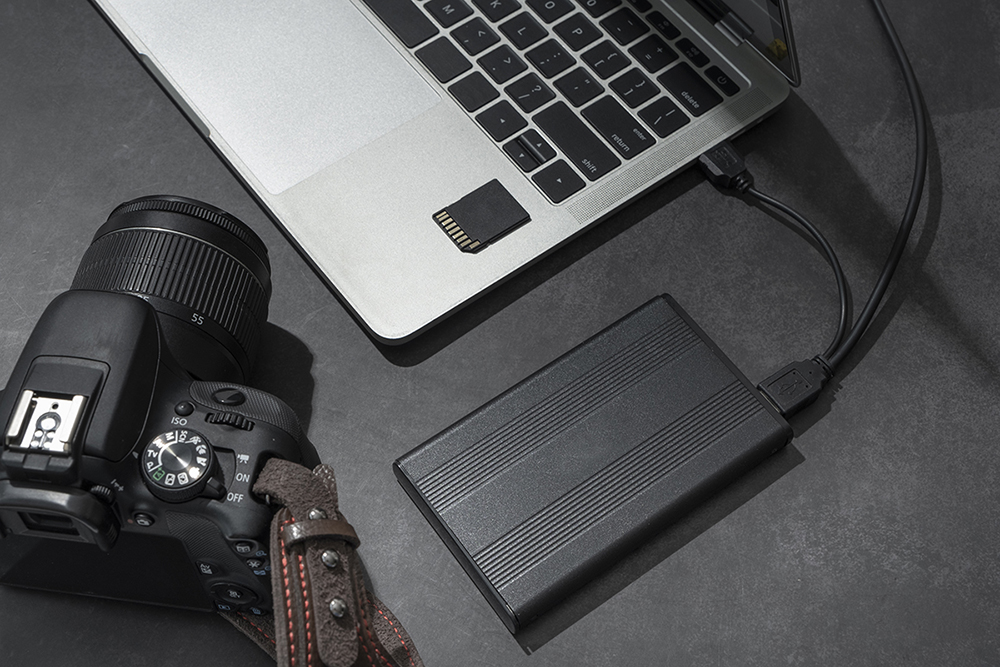
When photographers and videographers step into 4K, 8K, or drone work, most of the attention usually goes to the camera itself—new bodies, better sensors, sharper lenses. Storage, on the other hand, tends to get pushed down the priority list. That’s a mistake.
Memory cards play a much bigger role than many people realize. They directly affect recording stability, file safety, and overall reliability. High-resolution video and continuous shooting put constant pressure on write speeds, and when a card can’t keep up, the result is often dropped frames, stopped recordings, or corrupted files. Understanding how high-speed memory cards actually work—and choosing cards designed for sustained performance, like professional-grade SanDisk memory cards—is an important part of building a setup you can rely on.
In This Article:
Do 4K and 8K Video Really Need Faster Memory Cards?
Short answer: yes, absolutely.
4K and 8K video require sustained write speeds that older or entry-level cards simply weren’t built for. Each second of footage contains millions of pixels, often captured at higher frame rates, with richer color information and less compression.
Most cameras that shoot 4K video need at least a UHS Speed Class 3 (U3) or Video Speed Class V30 card to record continuously without issues. Anything slower increases the chance of the camera stopping mid-clip or quietly lowering quality to compensate.
Once you move into higher frame rates—like 4K at 60fps or 120fps—the data rate jumps quickly. The same thing happens when you shoot in higher bit depths or professional codecs. In real-world use, some demanding 4K modes can be just as taxing as entry-level 8K recording.
That’s why many higher-end cameras recommend, or even require, V60 or V90 cards—and why some 8K cameras skip SD cards altogether in favor of formats like CFexpress. The bottom line is simple: your footage is only as reliable as the card writing it.
Why Drone Photography Is Even More Demanding
Drone photography puts memory cards under a different kind of stress. Most drones record high-bitrate video to microSD cards, which are smaller in size but expected to perform just as well as full-size SD cards.
Once a drone is in the air, it records continuously. If the card can’t sustain the required write speed, the drone may drop frames, stop recording, or fail to save files correctly. Since you can’t change cards mid-flight, reliability matters even more.
Modern drones shooting 4K, 5K, or higher resolutions typically require V30-rated microSD cards at a minimum, with higher-end models benefiting from V60 cards. On top of video, drones often capture high-resolution stills and rapid bursts for panoramas, HDR, and mapping—tasks that can overwhelm slower cards quickly.
Then there’s the environment. Drones deal with vibration, changing temperatures, altitude shifts, and wind. These conditions tend to expose weaknesses in lower-quality storage. A well-built, high-speed card is far more likely to perform consistently in real-world flying conditions, not just in ideal lab tests.
Understanding Memory Card Speed Ratings
Memory card labels can get confusing fast, especially once you start dealing with 4K, 8K, and high-bitrate video. Between speed classes, UHS ratings, and video symbols, it’s not always clear what actually matters.
These ratings exist to show guaranteed sustained performance, not just peak speeds that last a second or two.
If you want a deeper, symbol-by-symbol breakdown with real examples, you can check out our guide on what SD card symbols really mean.
Here’s the short version for video and drone work.
UHS Speed Class
- U1: Minimum sustained write speed of 10 MB/s
- U3: Minimum sustained write speed of 30 MB/s
U3 is generally the minimum requirement for reliable 4K video. Anything below that increases the risk of dropped frames or recording interruptions.
Video Speed Class (V Rating)
- V30: 30 MB/s sustained write speed
- V60: 60 MB/s sustained write speed
- V90: 90 MB/s sustained write speed
Video Speed Class ratings matter because they guarantee continuous write speed over long recordings, not just short bursts.
- V30 is fine for standard 4K recording
- V60 handles higher bitrates, higher frame rates, and tougher codecs
- V90 is aimed at professional workflows, including high-end 4K and some 8K recording
UHS-I vs UHS-II
- UHS-I cards have a single row of pins and work in most cameras and drones
- UHS-II cards add a second row of pins and support much higher speeds
Even when used in UHS-I devices, UHS-II cards often provide more stable sustained performance, which can help with demanding recording modes.
What Happens When Your Card Is Too Slow?
When a memory card can’t keep up with your camera, the issues are usually obvious—and frustrating:
- Dropped frames and choppy video
- Recording stopping unexpectedly
- Automatic reductions in bitrate or resolution
- File corruption during long clips
- Slow buffer clearing when shooting bursts
In situations you can’t reshoot—weddings, commercial projects, aerial footage—these problems can be costly. Once data is gone, there’s no fixing it.
How High-Speed Cards Improve Professional Workflows
High-speed cards don’t just prevent problems. They make day-to-day shooting smoother.
More reliable video recording
Fast cards allow cameras to maintain demanding video modes without interruption, even at higher frame rates and bitrates.
Better burst performance
High-resolution RAW photos fill buffers quickly. Faster cards clear those buffers sooner, letting you shoot longer bursts and recover faster between shots.
Quicker offloads and editing
High-speed cards usually come with faster read speeds too, which means less time waiting to transfer files and more time editing.
Greater reliability in the field
Well-built cards are designed to handle heat, cold, moisture, and vibration—especially important for drone pilots and outdoor shooters.
Choosing the Right High-Speed Memory Car
When picking a memory card for serious photo or video work, keep a few things in mind:
- Follow your camera or drone’s requirements
Always meet or exceed what the manufacturer recommends. - Focus on sustained write speed, not peak numbers
Consistency matters more than advertised “up to” speeds. - Buy from trusted brands and authorized sellers
Counterfeit cards are common and often fail under load. - Choose capacity carefully
High-resolution video eats storage fast. Bigger cards mean fewer swaps. - Think ahead
A faster card today can support higher-quality formats later.
At a certain level, storage stops being an accessory and becomes part of the workflow itself.
Final Thoughts
High-speed memory cards aren’t flashy, but they’re one of the most important pieces of gear in any serious photo or video setup. In professional environments, storage reliability affects image quality, efficiency, and peace of mind.
Whether you’re filming cinematic footage, shooting fast-action stills, or flying a drone over a location you may never visit again, your memory card needs to keep up. Choosing the right one helps ensure your gear works the way it’s supposed to—and that the moments you capture aren’t lost to technical issues.
Frequently Asked Questions (FAQ)
1. Do I really need a high-speed memory card for 4K video?
Yes. Even standard 4K video requires a sustained write speed that many older or entry-level cards can’t maintain. Using a slower card increases the risk of dropped frames, recording stops, or automatic quality reduction. At a minimum, most 4K cameras require U3 or V30-rated cards for reliable performance.
2. What’s the difference between “up to” speeds and sustained write speeds?
“Up to” speeds refer to maximum burst performance, which only lasts for a short moment. Sustained write speed is what actually matters for video recording and long bursts of photos. Speed classes like U3, V30, V60, and V90 exist specifically to guarantee consistent performance over time.
3. Are microSD cards reliable enough for drone photography?
Yes—as long as you use the right ones. Modern drones rely on high-speed microSD cards, typically V30 or higher, to handle continuous high-bitrate recording. Lower-quality or slower cards are more likely to fail under vibration, heat, and long recording sessions.
4. Will a faster card improve photo burst shooting?
Absolutely. When shooting high-resolution photos—especially in RAW—your camera’s buffer fills quickly. A faster memory card clears that buffer sooner, allowing longer bursts and faster follow-up shots, which is crucial for action, wildlife, and aerial photography.
5. Is UHS-II worth it if my camera only supports UHS-I?
In many cases, yes. While you won’t get the full speed benefits without a UHS-II–compatible camera, UHS-II cards often deliver more stable sustained write speeds and faster file transfers when offloading to a computer. That can still improve overall workflow efficiency.
6. How much storage capacity do I need for 4K or drone video?
High-resolution video consumes storage quickly. Depending on bitrate, 4K video can use several gigabytes per minute, and even more at higher frame rates or in professional codecs. Many photographers and videographers prefer larger-capacity cards to avoid swapping media mid-shoot, especially for drone flights or long recording sessions.
Author Bio
Hasti Shamsian is a marketing and e-commerce professional specializing in photography and data-storage products. She works closely with photographers and content creators to translate technical specifications into real-world performance, with a focus on workflow reliability, data protection, and long-term asset management. Her work centers on helping professionals build safer, more efficient capture-to-archive systems.